
Posttraumatic stress disorder (PTSD) is a mental health disorder a person can develop after being exposed to a traumatic event, directly experiencing a traumatic event, witnessing a traumatic event happen to others or learning about a traumatic event. PTSD can involve flashbacks, nightmares and unwanted memories of the trauma that make it difficult to move past the event and continue healthy functioning.
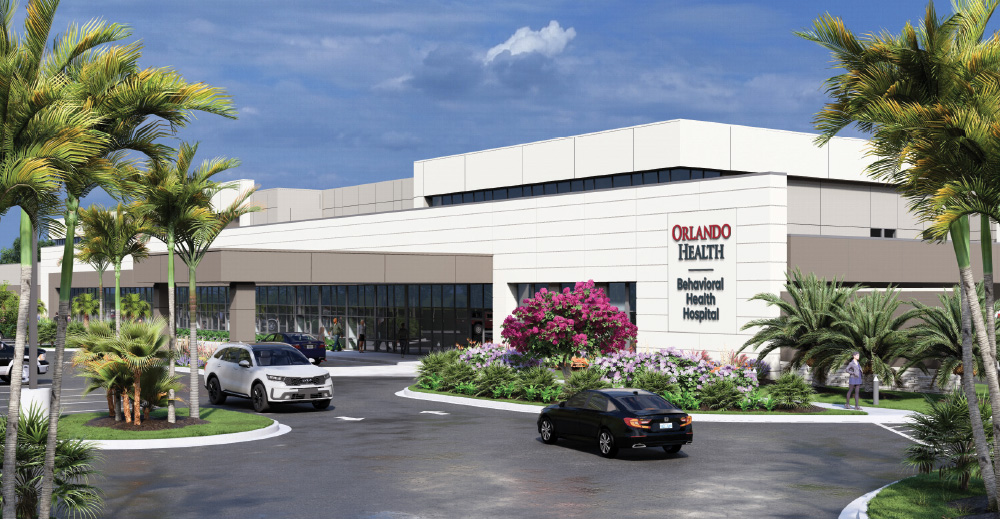
Orlando Health Behavioral Health Hospital in Apopka, Florida, offers comprehensive posttraumatic stress disorder treatment so that individuals can safely process trauma and find relief from PTSD symptoms.
Signs & Symptoms of PTSD
Posttraumatic stress disorder signs and symptoms can begin within the first month of experiencing, witnessing or learning about something traumatic, or they can take much longer to develop. The signs of PTSD will be different for each person; however, PTSD often involves intrusive thoughts, mood changes and avoidance patterns. The severity of these symptoms can fluctuate depending on certain environmental factors and the type of trauma a person has experienced.
Common PTSD signs and symptoms include:
- Distressing, intrusive memories and thoughts of the event
- Vivid flashbacks of the event
- Nightmares related to the traumatic event
- Avoiding places, things and people that may be reminders of the event
- Memory loss
- Negative thoughts about oneself and the world
- Distancing oneself from friends and family
- Inappropriate anger
- Irritability
- Lack of interest in activities that were once enjoyable
- Difficulty concentrating
- Sleep problems, such as insomnia
Individuals who have certain occupations, such as police officers, active-duty military members, first responders, firefighters and healthcare workers, may be at greater risk for experiencing the effects of trauma and symptoms of PTSD. However, anyone can be susceptible to suffering from this mental health disorder.
It is important to note, however, that not everyone who experiences, witnesses or learns about a traumatic event will develop PTSD. But if you are experiencing any of the symptoms listed here, it would be beneficial to speak with a professional.
Effects of Untreated PTSD
When left untreated, PTSD can affect almost every area of a person’s life, including their relationships, employment, academic status, physical health and overall happiness.
Common effects of posttraumatic stress disorder include:
- Self-isolation
- Trouble completing school
- Difficulty at work and maintaining employment
- Financial hardship
- Violent behavior
- Co-occurring mental health or substance use disorders
- Self-harm
- Suicidal ideation and suicide attempts
By seeking professional care at a PTSD treatment center like Orlando Health Behavioral Health Hospital in Apopka, Florida, people can prevent or minimize these effects. Additionally, they can begin healing from any effects they may have already experienced.
Benefits of PTSD Treatment
Posttraumatic stress disorder is not a condition that resolves on its own. Without appropriate clinical care, symptoms such as flashbacks, hypervigilance, emotional numbness and avoidance tend to persist and, in many cases, get worse over time. The longer the effects of trauma go unaddressed, the greater they will impact a person’s daily functioning, relationships and overall well-being. By seeking PTSD treatment, a person can not only reduce their symptoms in the short term, but they can learn how to manage them and find relief in the long term.
The following are among the many benefits of receiving PTSD treatment:
- Relief from intrusive symptoms like flashbacks and nightmares
- Reduced hypervigilance and reactivity
- Improved sleep
- Greater ability to regulate emotions
- Healthier relationships
- No longer feeling the need to avoid people, places and situations that may serve as reminders of the traumatic event
- Reduced risk for co-occurring mental health concerns
- Reduced risk for substance abuse
- Restored sense of safety
- Overall improved quality of life
When you work with qualified professionals who provide you with the right posttraumatic stress disorder treatment plan, you can learn to manage your symptoms and live a happier, healthier life.
PTSD Treatment at Our Apopka Hospital
Evidence-based PTSD treatment can give individuals the tools, support and clinical guidance they need to process what they experienced, rebuild a sense of personal safety and move forward with greater stability.
At our inpatient posttraumatic stress disorder treatment center, we offer a safe, highly structured environment where individuals can focus entirely on healing while receiving continuous clinical care and support. Inpatient treatment is particularly beneficial for people who have PTSD symptoms that have become acute, are interfering significantly with daily functioning or have not improved with less intensive interventions.
When a patient arrives at our Apopka hospital, they work with a team of dedicated professionals who design a care plan built specifically around that individual’s experiences, needs and treatment goals. Services that may be part of a patient’s PTSD treatment plan include:
- Medication management services: For patients whose treatment plan includes medication, a psychiatrist provides daily oversight, while nursing staff assists with administration and carefully tracks the patient’s response, making adjustments if needed to maximize both safety and effectiveness.
- Individual therapy: A one-on-one therapy session takes place as part of every patient’s evaluation. Additional individual sessions are available throughout a person’s stay at our hospital based on clinical need or request. These private sessions offer a dedicated space for the patient to process trauma and work toward their personal therapeutic goals.
- Family therapy: The effects of trauma can impact entire families. When clinically appropriate, the loved ones of our patients are invited to participate in family therapy sessions. These sessions foster understanding, rebuild trust and equip loved ones with the knowledge they need to provide meaningful support.
- Group therapy: Group therapy sessions are the foundation of treatment at our Apopka PTSD treatment center. These sessions are held multiple times throughout the day under the guidance of licensed therapists, nurses and mental health technicians. While in group therapy, patients may discuss a wide range of topics relevant to PTSD, including trauma processing, grounding techniques, emotion regulation, self-worth and healthy coping strategies.
At Orlando Health Behavioral Health Hospital, PTSD treatment is never one-size-fits-all. We treat every patient as a whole person, acknowledging their own story, their own strengths and their own path to healing.
Why Choose Our Apopka PTSD Treatment Center
Healing from PTSD starts with finding a place where you feel safe enough to do the work, and that is exactly what our inpatient treatment center in Apopka, Florida, is designed to be. Our 144-bed hospital offers a level of personalized, clinically rigorous PTSD treatment that is rare in central Florida, delivered in an environment where every detail has been considered with our patients’ healing in mind.
When you step inside Orlando Health Behavioral Health Hospital, the difference from other clinical settings is immediately noticeable. This is not a cold, clinical space. It is a place built for people. Soothing color choices, generous natural light, thoughtfully designed communal areas and secure outdoor spaces work together to create a setting that feels grounding and restorative. Our patients’ rooms give them a personal sanctuary where safety and comfort coexist, and staff members offer attentiveness and genuine human care. Every interaction is an opportunity to reinforce what many individuals who are suffering from PTSD need most: the experience of feeling truly safe.
Posttraumatic stress disorder treatment at our Apopka hospital is anchored in evidence-based therapies, including cognitive behavioral therapy (CBT), dialectical behavior therapy (DBT) and solution-focused brief therapy (SFBT). These therapeutic modalities have demonstrated meaningful results for individuals who are navigating the effects of trauma. These therapies are delivered by a broad and experienced team of professionals, including:
- Psychiatrists
- Psychiatric nurse practitioners
- Registered nurses
- Licensed practical nurses
- Licensed clinical social workers
- Master’s-level social workers
- Licensed mental health counselors
- Master’s-level counselors
- Recreational therapists
- Behavioral health technicians
Each member of this team contributes something essential, and together they create a coordinated, wraparound PTSD treatment experience in which no aspect of a patient’s well-being is overlooked.
If you or someone in your life is ready to take the first step toward healing from the effects of trauma and PTSD, our admissions team is available 24 hours a day, seven days a week, and walk-ins are always welcome.
What happened to you does not have to define the rest of your life. Support is available.
This content was written on behalf of and reviewed by the clinical staff at Orlando Health Behavioral Health Hospital.